There are 52 auspicious Hindu wedding dates in 2026 spread across 7 months, and 96+ vivah muhurat dates in 2027 spread across 9 months. The most auspicious individual dates are November 21, 2026 (Revati Nakshatra) and December 4, 2026 (Rohini Nakshatra). For 2027, the standout dates are February 14-15 (Rohini, Navami), May 7 (Rohini, Dwitiya), and November 15 (Rohini, Dwitiya). This guide gives you every Hindu wedding date for 2026 and 2027 with nakshatra context, plus the Chaturmas blackout window (no marriages August through October 2026), and the Shukra Asta period (Venus combust) that eliminates additional dates in 2027.
By the end of this guide, you will know exactly which dates are available for your wedding in 2026 and 2027, which months are best for destination weddings at Rajasthan palaces versus Goa beach venues, why certain months have zero auspicious dates, and how to choose the strongest nakshatra date for your specific situation. The dates below are cross-referenced with Drik Panchang and verified against classical Vedic astrological texts including Muhurta Chintamani and Dharmasindhu.
Quick Reference - Hindu Wedding Dates 2026 by Month
The complete list of vivah muhurat dates in 2026 according to North Indian Vedic Panchang:
- January 2026: Limited dates due to Shukra Asta (Venus combustion). Most reliable: January 17, 18, 20, 22 - though many panchangs list zero dates due to Venus combustion through most of January.
- February 2026: 12 dates - the highest concentration of the year. Dates: 5, 6, 8, 10, 12, 14, 19, 20, 21, 24, 25, 26 February. Peak winter wedding month.
- March 2026: 8 dates. Dates: 1, 2, 3, 4, 5, 6, 8, 11 March (before Holashtak begins).
- April 2026: 8 dates including the highly auspicious Akshaya Tritiya (April 19). Dates: 15, 17, 20, 21, 25, 27, 28, 29 April.
- May 2026: 8 dates. Dates: 1, 3, 5, 6, 7, 8, 13, 14 May.
- June 2026: 8 dates. Dates: 21, 22, 23, 24, 25, 26, 27, 29 June. Last month before Chaturmas.
- July 2026: 4-6 dates only - last available dates before Chaturmas begins. Dates: 1, 2, 7, 8, 9, 11 July.
- August 2026: ZERO dates. Chaturmas period (Devshayani Ekadashi to Devuthani Ekadashi). No Hindu marriages permitted.
- September 2026: ZERO dates. Chaturmas continues, plus Pitru Paksha (Mahalaya) period.
- October 2026: ZERO dates. Chaturmas continues until Devuthani Ekadashi (Tulsi Vivah day).
- November 2026: 4 dates. Dates: 21, 24, 25, 26 November. Wedding season reopens after Devuthani Ekadashi.
- December 2026: 7 dates. Dates: 2, 3, 4, 5, 6, 11, 12 December.
Total 2026 vivah muhurat dates: approximately 52. This is a relatively constrained year for Hindu weddings - significantly fewer dates than 2027.
Lagan 2026, Vivah Muhurat & Shubh Muhurat for Marriage - Same Dates, Different Names
If you are searching for "lagan in 2026", "2026 vivah muhurat" or "shubh muhurat for marriage in 2026", they all point to the same auspicious Hindu marriage dates listed above. Lagan (or lagn) is the common North-Indian word for the wedding muhurat - the shubh time fixed for the pheras. Vivah muhurat is the Sanskrit/Panchang term, and shubh muhurat simply means "auspicious time". So the 52 lagan dates in 2026 (and 96+ in 2027) above are your complete shubh muhurat list. The strongest shubh lagan of 2026 is 21 November (Revati), followed by 4 December (Rohini) and 19 April (Akshaya Tritiya); in 2027 the standout shubh muhurat is 7 May (Rohini, Dwitiya). The exact lagna (time of day) within each date should be fixed by your family pandit for your kundali and venue location.
Quick Reference - Hindu Wedding Dates 2027 by Month
2027 offers nearly double the auspicious dates of 2026. The complete vivah muhurat list:
- January 2027: 6-8 dates. Best dates: 14, 18, 24, 31 January.
- February 2027: 10+ dates. Standout dates: 3, 11, 14, 15 (both Rohini Nakshatra with Navami), 22, 25 February.
- March 2027: 6-8 dates limited by Holashtak. Dates: 2, 4, 10, 14 March.
- April 2027: 12+ dates including Akshaya Tritiya. Best dates: 18, 22, 23, 25, 28 April.
- May 2027: 18+ dates - the highest of any month in 2026-2027. Standout date: May 7 (Rohini, Dwitiya). Other dates: 3, 7, 9, 16, 23, 24, 30, 31 May.
- June 2027: 16+ dates. Dates: 10, 13, 16, 21 June among the strongest.
- July 2027: 5 dates only before Chaturmas. Dates: 7, 9, 12, 14, 16 July.
- August 2027: ZERO dates. Chaturmas begins (Devshayani Ekadashi ~July 13).
- September 2027: ZERO dates. Chaturmas + Shukra Asta (Venus combust July 20 through mid-September).
- October 2027: ZERO dates. Chaturmas continues until Devuthani Ekadashi (~November 9).
- November 2027: 11+ dates. Most auspicious: November 15 (Rohini, Dwitiya). First post-Chaturmas date: November 10.
- December 2027: 6-8 dates. Standout: December 13 (Rohini, Purnima).
Total 2027 vivah muhurat dates: 96+ across 9 months. Source: Destination Weddings India Shaadi Muhurat 2027 guide cross-referenced with Drik Panchang.
Top 10 Most Auspicious Wedding Dates Across 2026-2027
If you want the absolute strongest dates by nakshatra and tithi combination, prioritize these 10 dates:
- November 21, 2026 (Saturday) - Revati Nakshatra: One of the most highly auspicious dates of 2026. Revati nakshatra is considered exceptionally favorable for marriage.
- April 19, 2026 (Akshaya Tritiya): Akshaya Tritiya is the most auspicious day of the year in Hindu tradition - any new beginning on this day is believed to grow continuously.
- December 4, 2026 (Friday) - Rohini Nakshatra: Rohini is the most favored nakshatra for marriage. Combined with a Friday (Venus day), this is highly powerful.
- February 14, 2027 (Sunday) - Rohini Nakshatra, Navami: Rohini + Navami tithi is among the strongest combinations in classical texts.
- February 15, 2027 (Monday) - Rohini Nakshatra continues: Rohini extends from previous day, Navami tithi - excellent for both functions.
- May 7, 2027 (Friday) - Rohini Nakshatra, Dwitiya: Friday + Rohini + Dwitiya is considered an "uttamottam" muhurat (best of the best).
- November 15, 2027 (Monday) - Rohini Nakshatra, Dwitiya: Post-Chaturmas Rohini date with strong tithi.
- December 13, 2027 (Monday) - Rohini Nakshatra, Purnima: Full moon + Rohini is highly auspicious in Vedic astrology.
- February 6, 2026 (Friday) - Magha Nakshatra: Magha is highly favored for marriage according to Muhurta Chintamani.
- November 25, 2026 (Wednesday) - Uttara Phalguni Nakshatra: Uttara Phalguni is universally considered auspicious for marriage rituals.
The 11 Auspicious Nakshatras for Hindu Marriage
According to Vedic astrology and classical Muhurta Chintamani text, only 11 of 27 nakshatras are considered auspicious for marriage ceremonies. Understanding which nakshatras align with your chosen dates is critical:
- Rohini: The most favored nakshatra. Ruling deity Prajapati (creator of progeny). Symbolizes fertility and prosperity. Most powerful for marriage.
- Mrigashira: Ruled by Soma (Moon). Brings romantic and harmonious energy. Excellent for love marriages.
- Magha: Royal nakshatra ruled by Pitrs (ancestors). Brings ancestral blessings and material prosperity. Highly favored for palace weddings.
- Uttara Phalguni: Ruled by Aryaman (god of contracts and unions). Considered the marriage nakshatra par excellence.
- Hasta: Ruled by Savitr (Sun). Brings skill, dexterity, and intelligence to the union.
- Swati: Ruled by Vayu (wind). Symbolizes independence and graceful relationships.
- Anuradha: Ruled by Mitra (god of friendship). Promotes friendship-based marriages.
- Mula: Ruled by Nirriti. Considered auspicious only for certain combinations - consult an astrologer.
- Uttara Ashadha: Ruled by Vishvadevas. Brings universal blessings.
- Uttara Bhadrapada: Ruled by Ahirbudhnya. Highly auspicious for marriage.
- Revati: Ruled by Pushan (nourisher). Symbolizes prosperity and journey. Final nakshatra of the zodiac - completion.
Nakshatras strictly avoided for marriage: Bharani, Krittika, Ardra, Ashlesha, Magha (some traditions), Purva Phalguni (some traditions), Chitra (some), Vishakha (some), Jyeshtha, Purva Ashadha, Shatabhisha, Purva Bhadrapada. The forbidden Yogas like Vishkambha, Atiganda, Shula, Ganda, and Vyaghata are also avoided as marriage performed under these yogas is believed to cause hardship.
Why August-October 2026 Has Zero Wedding Dates - Understanding Chaturmas
Chaturmas is the four-month sacred period when Lord Vishnu is believed to be in cosmic sleep (yoga-nidra). During this window, no Hindu marriages are traditionally performed because the gods are considered unavailable to bless the union.
Chaturmas 2026 dates:
- Begins: Devshayani Ekadashi - July 16, 2026
- Ends: Devuthani Ekadashi (Prabodhini Ekadashi, also Tulsi Vivah day) - November 11, 2026
- Total duration: Approximately 4 months of no auspicious wedding dates
Chaturmas 2027 dates:
- Begins: Devshayani Ekadashi - July 13, 2027
- Ends: Devuthani Ekadashi - November 9, 2027
- Total duration: Approximately 4 months
Three additional restrictions that affect 2027:
- Shukra Asta (Venus Combust): Approximately July 20 through mid-September 2027. Venus governs marriage in Vedic astrology - when combust (too close to Sun), marriage ceremonies are inauspicious.
- Pitru Paksha (Mahalaya): September/October period dedicated to ancestors - inauspicious for new beginnings including marriage.
- Prohibited Solar Months: Certain solar months have additional restrictions in classical texts.
Best Destination Wedding Months by Date Availability and Weather
For destination weddings specifically, dates must align with both vivah muhurat availability AND favorable weather at your chosen destination. Our recommendations based on 200+ destination weddings planned across India:
November-February (Peak Season) - Highly Recommended
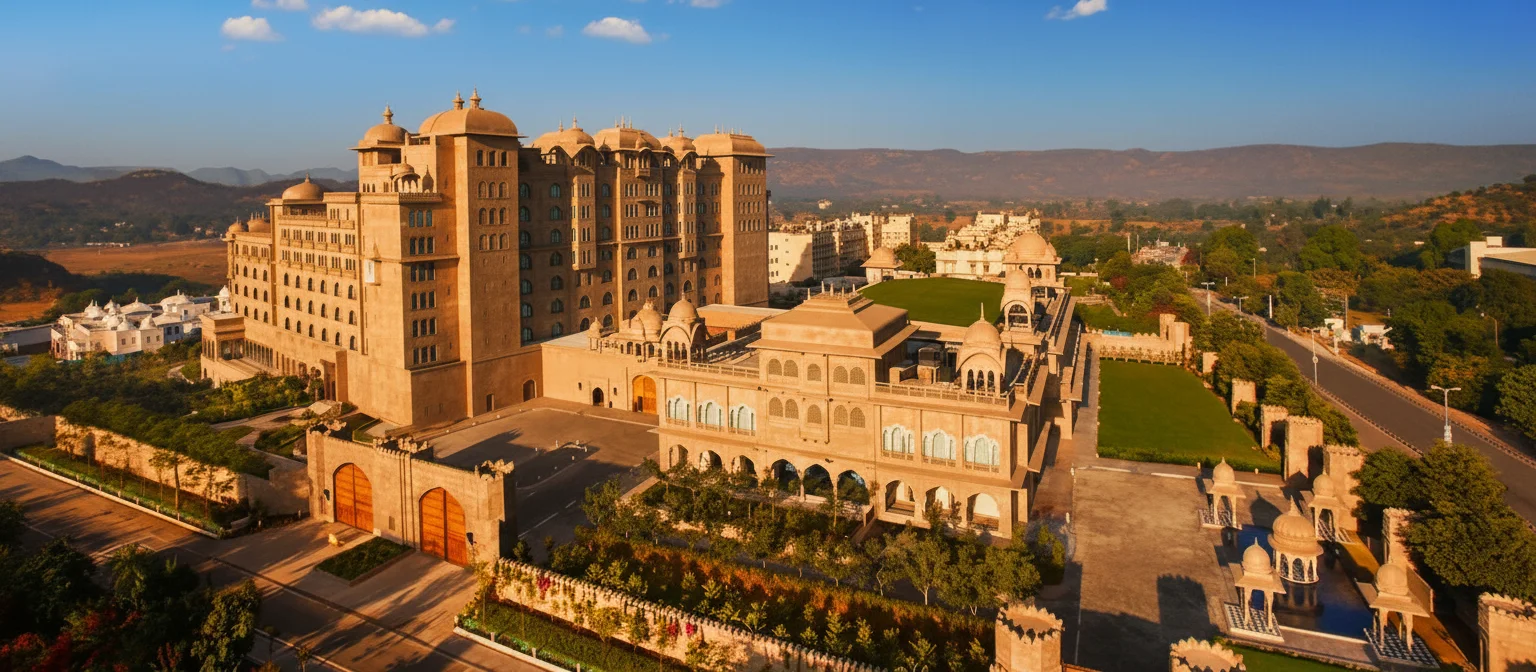
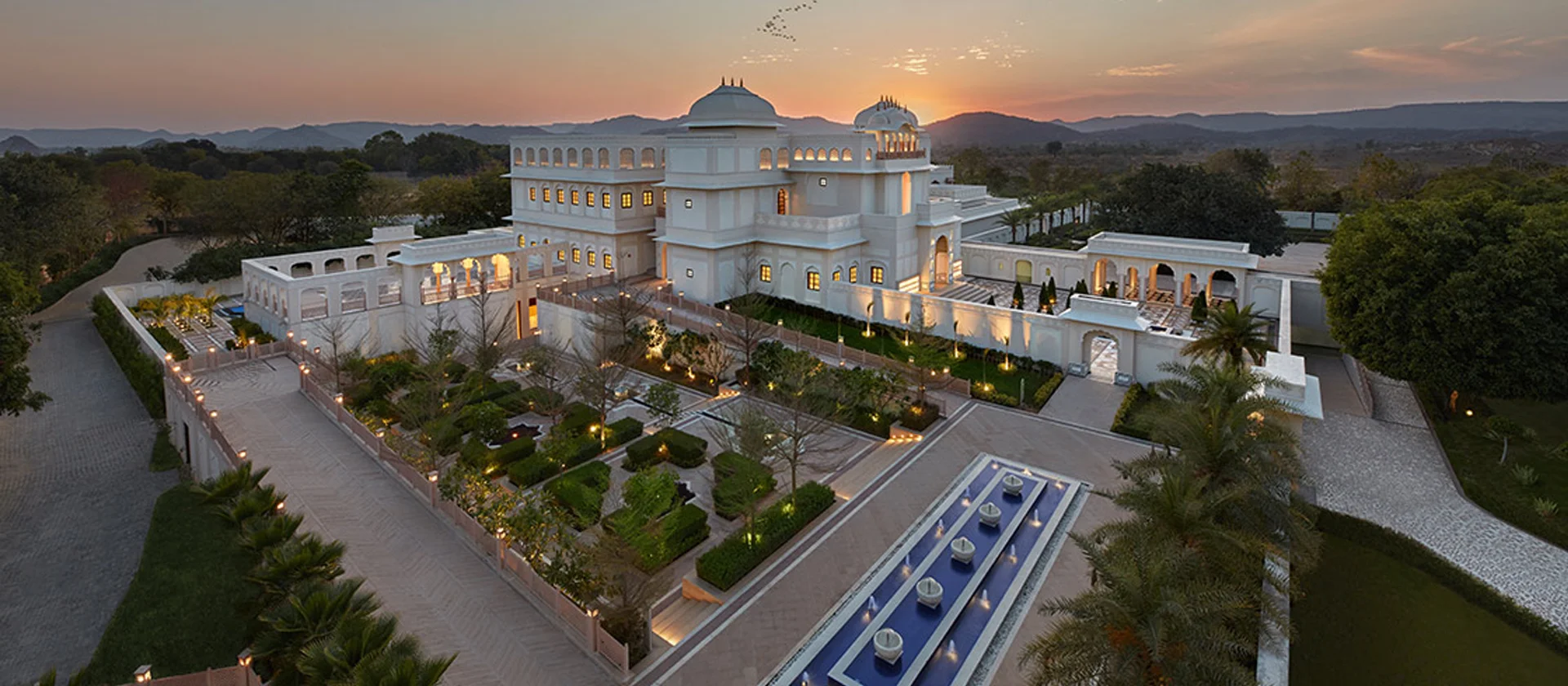
The best window for Rajasthan palace weddings (Udaipur, Jaipur, Jodhpur, Jaisalmer). Weather: 12-25 degrees Celsius, minimal rain, clear skies. Best dates: November 21 (Revati), November 24-26, December 2-6, December 11-12, February 5-26. Recommended for: Oberoi Udaivilas, Rambagh Palace, Umaid Bhawan Palace, and other heritage venues.
March (Limited but Beautiful)
Spring weather perfect for North India outdoor weddings. Limited dates due to Holashtak (8 days before Holi typically considered inauspicious). Best dates: March 1-6, 8, 11. Recommended for: Fairmont Jaipur, Rajasthan resort venues, garden weddings.
April-May (Pre-Monsoon)
Excellent for Kerala backwater weddings, Mussoorie/Dharamshala hill stations, and Goa (before monsoon). Dates: April 15-29, May 1-14. Akshaya Tritiya (April 19, 2026) is universally auspicious. Best for: hill station venues, Kerala backwaters, early Goa weddings.
June-July (Pre-Monsoon Window)
Last opportunity before Chaturmas. Hill stations and high-altitude venues offer escape from heat. Dates: June 21-29, July 1-11. Best for: Manali, Kashmir, Coorg, Mussoorie weddings. NOT recommended for Rajasthan (too hot) or Goa (monsoon arrival).
August-October (Blackout Window)
ZERO Hindu wedding dates. Consider Court marriages, Court+Reception model, or non-Hindu Christian/Buddhist ceremony dates only. Some couples register marriage during Chaturmas and host social celebrations after Devuthani Ekadashi.
Critical Planning Insight - Date Demand vs Venue Availability
Date demand can vary by location and family tradition. Confirm the relevant calendar with your officiant, then ask hotels about availability for the dates you are considering.
- Wedding season officially "opens" with Tulsi Vivah
- Weather is perfect across most of India
- Peak Hindu muhurat density (multiple strong nakshatra dates)
- School/work calendars allow guest attendance
This means: If you target Nov 21-26 or Dec 2-12, 2026 for your wedding, you need to book your venue 14-18 months ahead. Properties like Oberoi Udaivilas, Taj Lake Palace, and Rambagh Palace are often booked 2 years in advance for peak Hindu muhurat dates.
According to the WedMeGood Annual Wedding Industry Report 2025-2026, peak muhurat dates command 15-25% premium on venue rates compared to shoulder dates with identical weather quality.
How to Choose Your Specific Wedding Date - 5-Step Method
The systematic approach we use with every wedding family at Global Wedding Venues:
Step 1 - Confirm available date range from this list. Identify which months in 2026-2027 you can realistically plan a wedding given work, family, and visa constraints.
Step 2 - Filter by destination weather. Eliminate dates that conflict with your destination preference. November-February for Rajasthan/Delhi/Mumbai weddings. April-June for hill stations. October-March for Goa.
Step 3 - Consult your family pandit for personalized kundali matching. Bring the shortlist (3-5 dates) to your family pandit for:
- Ashta Kuta horoscope matching (out of 36 gunas, 18+ are considered acceptable)
- Lagna Shuddhi (auspicious lagna at exact ceremony time)
- Mangal Dosh assessment
- Birth chart-specific recommendations
Step 4 - Lock the venue first if you have a preferred property. Top palace venues are booked 12-24 months ahead for peak Hindu muhurat dates. Reserve the venue, then finalize the exact date within their availability.
Step 5 - Issue Save the Dates 9-12 months before the wedding. For destination weddings, guests need 9+ months lead time to plan travel, especially NRI families and international guests.
Common Mistakes Couples Make Choosing Wedding Dates
Three critical errors we see repeatedly:
Mistake 1 - Choosing a date without checking nakshatra strength. Not all "muhurat dates" are equal. Rohini, Uttara Phalguni, and Revati nakshatra dates carry significantly more auspicious weight than Hasta or Swati dates. If you have a choice between two dates, prioritize stronger nakshatra.
Mistake 2 - Ignoring Shukra Asta (Venus combustion) periods. Even if a panchang lists a date in January 2026, if Venus is combust on that date, the marriage is considered inauspicious. Always cross-check with Drik Panchang or your family pandit.
Mistake 3 - Choosing peak season dates without booking venues 12-18 months ahead. Peak season is November 21-December 12 and February 5-26. By the time you finalize date, your dream venue is gone.
2026 vs 2027 - Which Year Should You Choose
If you have flexibility, 2027 is significantly better for wedding date options:
- 2026: 52 dates across 7 months. Limited shoulder season options. Peak season (Nov-Dec) extremely constrained.
- 2027: 96+ dates across 9 months. Nearly double 2026. May 2027 alone has 18+ dates - the highest concentration of any month in either year.
For destination weddings, this means: 2027 brides have more flexibility to negotiate venue rates (more dates = less peak demand pressure), more guest convenience options (more weekend dates available), and lower stress about booking venues many months ahead.
The trade-off: 2027 also has nearly double the demand for venues since more couples will be planning weddings. Iconic palace venues remain constrained.
Ready to Plan Your Wedding Date and Venue
Have a specific question about your wedding date? Contact our planning team for free consultation. We can verify your chosen date against your kundali, recommend nakshatra-strong alternatives, and shortlist venues available on your chosen date within your budget.
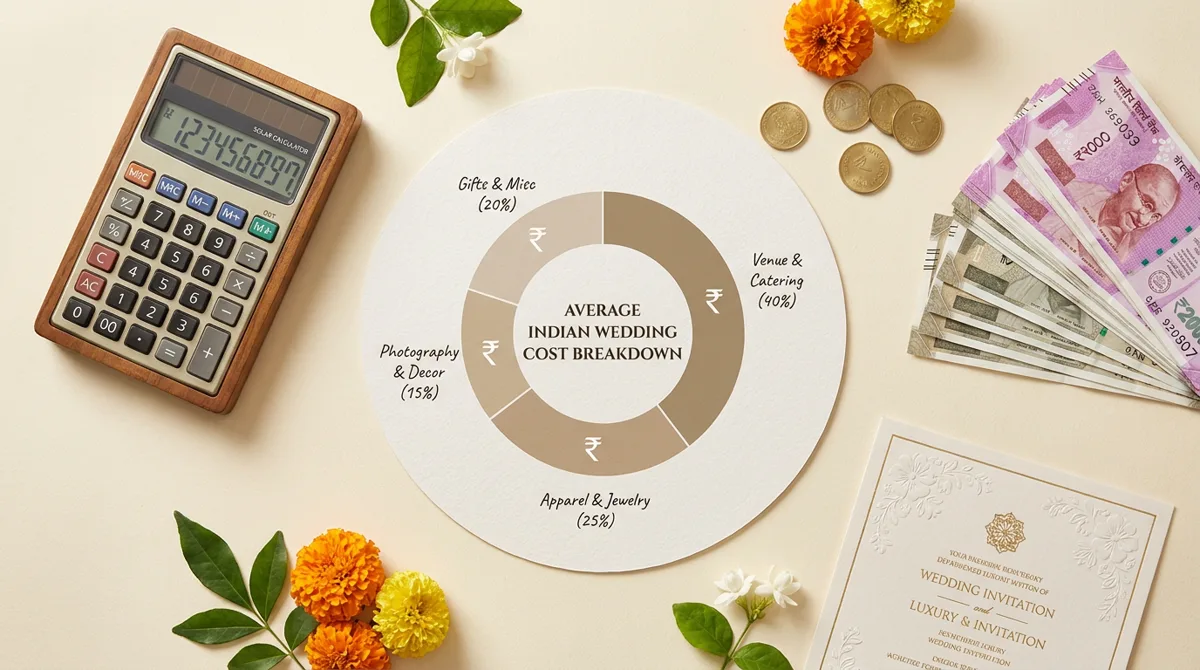
For destination-specific planning: Read our 10-city destination wedding guide to choose the right destination for your muhurat date. For budget planning: See our complete destination wedding budget guide with illustrative venue-budget assumptions.